Needle Stick: What to Do Next: Durham Guide
A needlestick needs a fast, calm, no-guesswork response. The immediate steps matter, reporting cannot wait, and the workplace exposure plan should take over quickly.

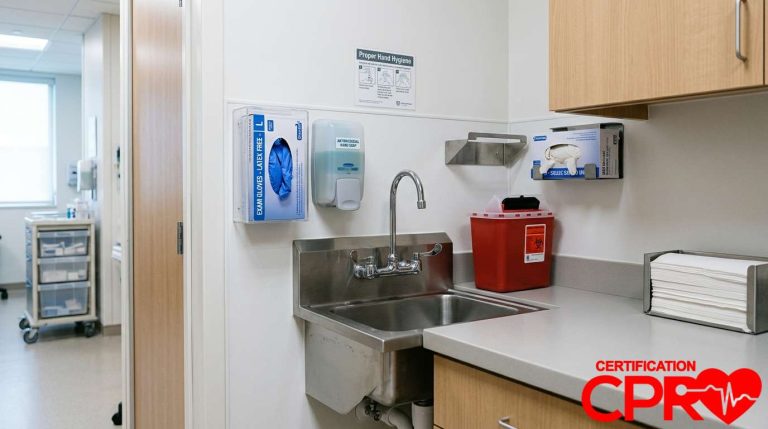
A needlestick needs a fast, calm, no-guesswork response. The immediate steps matter, reporting cannot wait, and the workplace exposure plan should take over quickly.
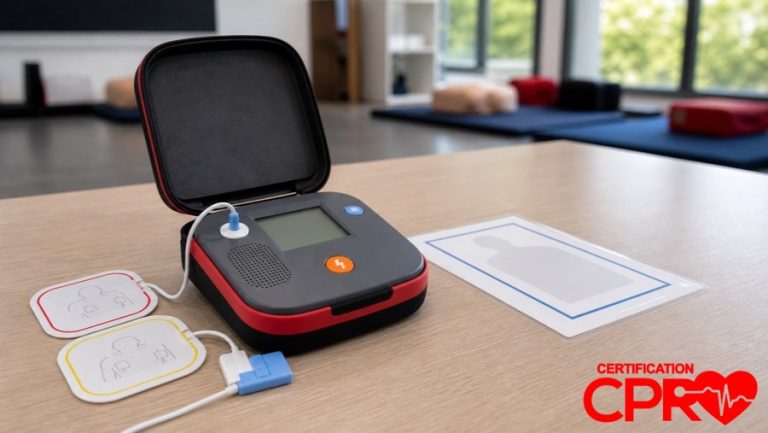
AED voice prompts are designed to keep a chaotic scene moving in the right order. The common prompts tell you when to place pads, pause, shock, resume CPR, and keep following the sequence.
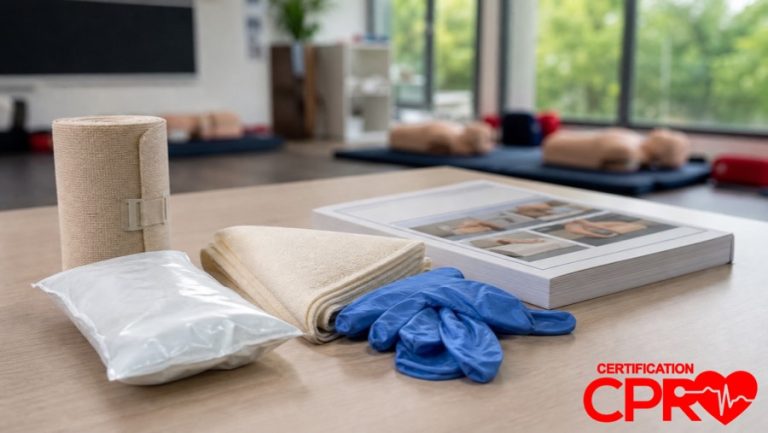
A sprain and a fracture can look almost identical at first. The first few minutes are about protecting the injury, watching for serious warning signs, and knowing when medical care should happen quickly.

High school students are already in situations where CPR can matter. The skill can matter before graduation, and a hands-on BLS class gives teenagers a more complete foundation than awareness alone.
American Heart Month should be more than a calendar reminder. February is a useful moment to connect heart-health awareness with CPR, AED readiness, and the response that happens before EMS arrives.
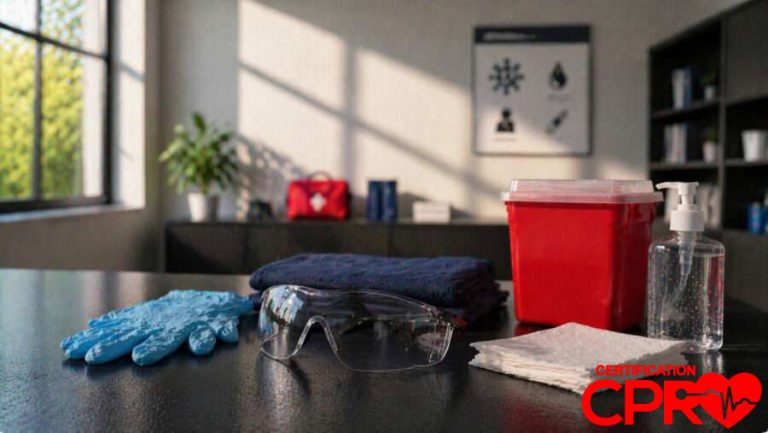
Bloodborne pathogens do not spread through ordinary proximity. The transmission routes, entry points, and response steps matter most after a possible workplace exposure.
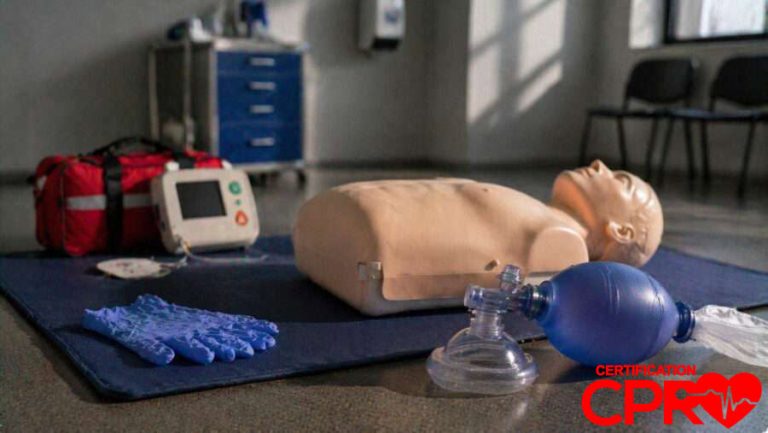
Two-rescuer CPR works better because one person can stay on compressions while the other handles breaths, the AED, timing, and the switch. That split helps protect compression quality before fatigue starts causing long pauses and shallow pushes.

A dried blood spot is not the same thing as a harmless surface. Surface survival matters because cleanup, PPE, and exposure control depend on treating dried blood with the right level of caution.
You can catch an infection in some first-aid situations, but helping someone does not automatically mean you will. The real risk depends on the kind of contact and whether blood or body fluids reach a true exposure route.
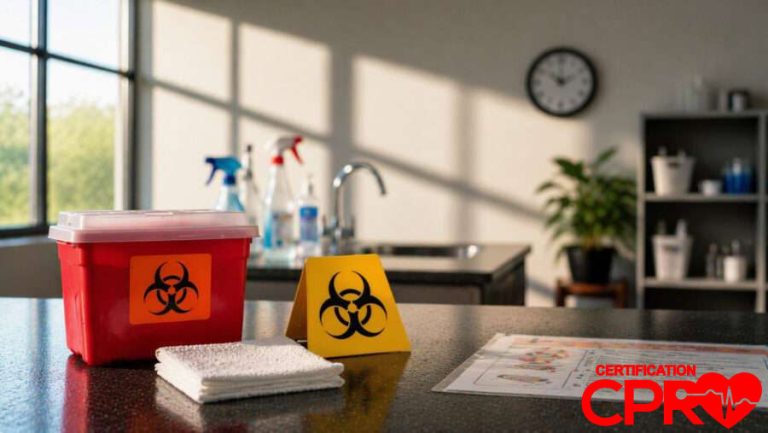
In most workplace bloodborne-pathogens training, the same three names come up over and over: hepatitis B, hepatitis C, and HIV. They matter because exposure-control plans, sharps safety, and post-exposure response are built around them.
No products in the cart.